
-
 Details$87.99 $73.99
 -
Details$60.99 $49.99
-
Details$63.99 $50.29
-
Details$73.99 $62.99
-
Details$153.99 $141.99
-
Details$85.52 $74.99
-
-
Sale - Limited Time
Details$218.99 $192.99
-
Details$113.99 $80.99
-
Details$107.99 $92.99
-
-
Sale - Limited Time
Details$120.00 $79.99
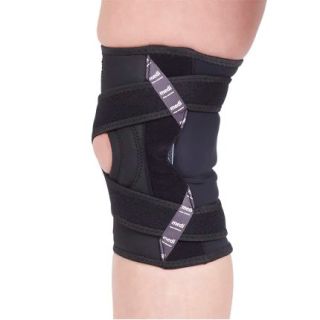
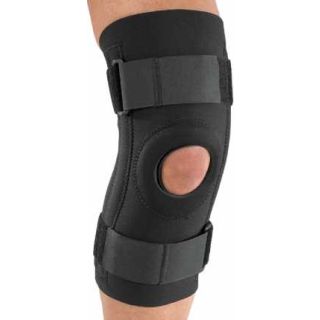

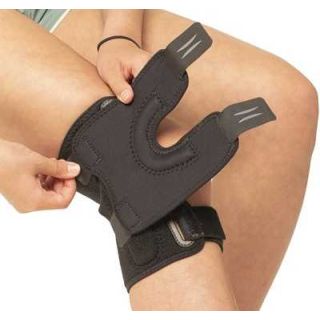
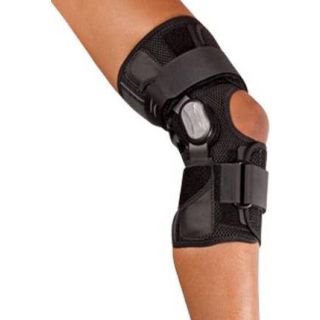
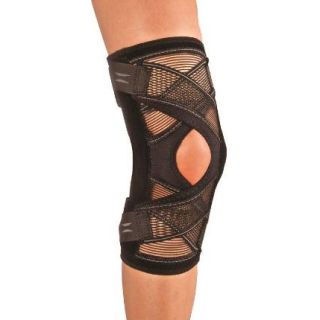
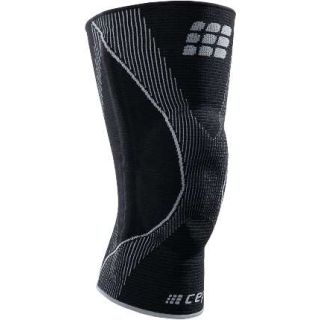
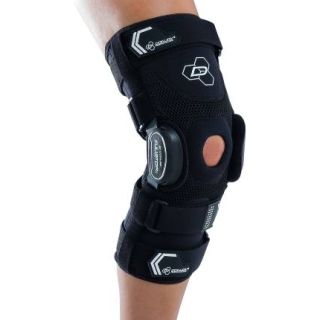
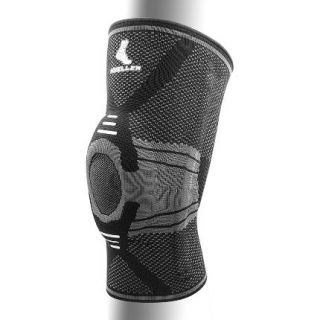
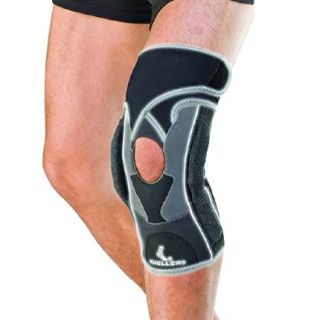
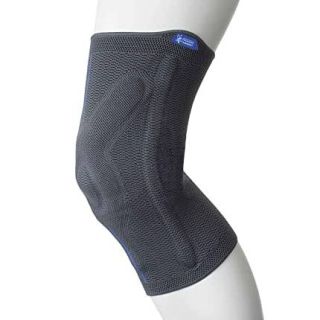
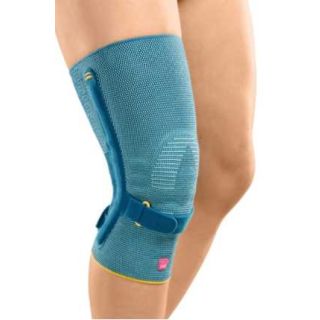
Choosing the Best Knee Support Brace for Running
A common question among athletes is, "Is a knee brace good for running?" The answer is yes, provided you select a brace specifically designed for the high-impact, repetitive motion of running. Unlike general supports, the best knee support brace for running focuses on non-restrictive stabilization, targeted compression, and lightweight materials.
Types of Running Knee Braces by Condition
The ideal brace depends entirely on the specific type of pain or injury you are experiencing:
| Common Running Condition | Symptoms & Location | Recommended Brace Type |
|---|---|---|
| Runner's Knee (PFPS) | Pain around or under the kneecap, often aggravated by climbing stairs. | Patellar Tracking Braces: Feature a stabilizing donut or buttress around the kneecap to promote proper patellar tracking. |
| Patellar Tendonitis | Sharp pain just below the kneecap, especially during or after a run. | Patellar Tendon Strap: A small strap worn just below the knee to apply pressure to the tendon, reducing stress and vibration. |
| Iliotibial Band Syndrome (ITBS) | Sharp pain on the outside of the knee. | IT Band Compression Strap: Worn slightly above the knee, this applies compression to the distal end of the IT band to reduce friction and stabilize the fascia. |
| General Instability / Mild Arthritis | General soreness, swelling, or a feeling of the knee "giving out." | Knee Sleeves / Compression Braces: Provide warming compression and mild support without rigid restriction, ideal for increasing proprioception and blood flow. |
5 Key Criteria for Choosing Your Running Knee Brace
- Non-Slip Design: Look for anti-migration features like silicone grip strips or specialized closures to ensure the brace stays perfectly positioned during rapid, repetitive movement.
- Breathable Material: Running generates significant heat. The material should be lightweight, moisture-wicking, and breathable, such as specialized neoprene or knitted construction, to prevent skin irritation.
- Anatomical Fit: The brace should contour precisely to the leg's shape. An anatomical fit ensures the support is placed exactly where the pathology requires it (e.g., patellar buttresses correctly aligned).
- Low Profile: The brace should be slim enough to wear comfortably under running tights or shorts without bulkiness or restricting your natural gait.
- Targeted Compression: The support should provide focused pressure only where necessary (e.g., on the tendon or around the kneecap), leaving the back of the knee (popliteal fossa) free from irritating material.