
-
Add To Cart To See Price
 Details$72.00 $72.00
 -
Sale - Limited Time
Details$69.95 $67.40
-
Sale - Limited Time
Details$30.99 $28.99
-
Details$54.99 $35.99
-
Details$46.99 $41.99
-
Details$34.99 $26.99
-
Details$47.99 $39.99
-
Details$44.99 $38.99
-
Details$89.99 $79.99
-
Details$45.50 $36.99
-
Details$49.99 $41.99
-
Details$69.99 $59.99
Choosing the Best Ankle Support for Running: Your Complete Buying Guide
Selecting the right support is essential for protecting your lower extremity. Unlike supports for general walking, the best ankle support for running must balance rigorous stabilization with flexibility, breathability, and a low-profile fit. This guide will help you understand the types of support available and what features to prioritize.
Why Runners Need Specialized Ankle Stabilizers
Running places intense, repetitive stress on the foot and ankle support for runners, often leading to biomechanical fatigue that compromises joint stability. This increases the risk of both acute injuries (like sprains) and chronic issues (such as tendonitis).
-
Injury Prevention: A high-quality ankle stabilizer for running significantly reduces the risk of rolling your ankle on uneven terrain or during quick direction changes, offering stability that your muscles might lose mid-run.
-
Confidence After Injury: For runners returning from a sprain or dealing with chronic weakness, an ankle support brace for running provides the necessary physical barrier and psychological confidence to safely increase mileage.
-
Enhanced Performance: Proper compression and support can improve blood flow and proprioception (your body's awareness of joint position), leading to more efficient and safer movement.
Key Features of a Great Running Ankle Brace
To ensure your support doesn't interfere with your run, look for these critical attributes:
-
Low-Profile Design: The brace must be thin enough to fit seamlessly into your existing running shoes without causing pressure points or altering your stride.
-
Moisture-Wicking Material: Since runners sweat heavily, materials like breathable compression knit or perforated neoprene are essential to prevent chafing and maintain comfort over long distances.
-
Level of Support:
-
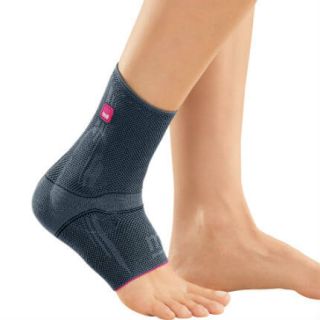
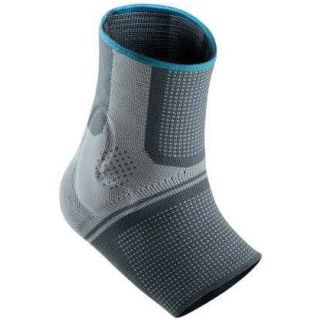
Compression Sleeves (Mild Support): Best for general aches, mild swelling, and everyday running ankle support. They are highly flexible and focus on pain relief and circulation.
-
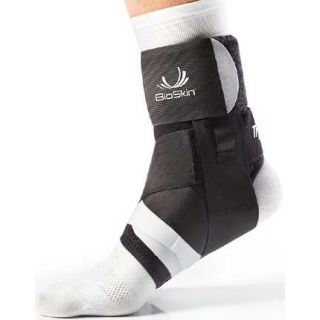
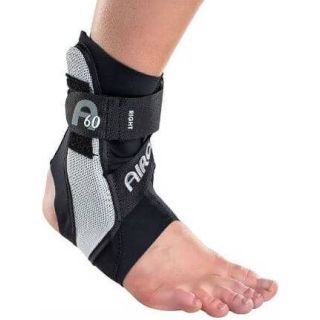
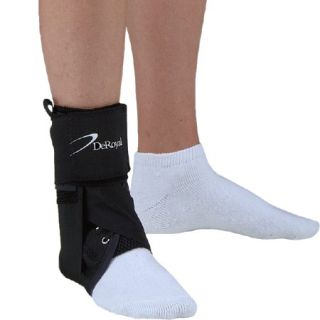
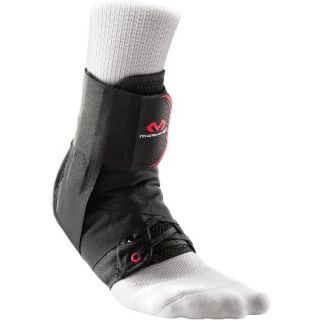
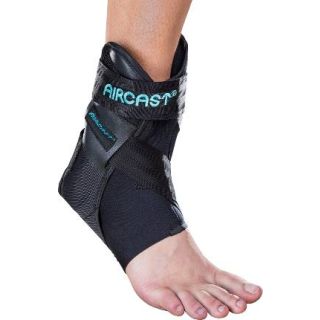
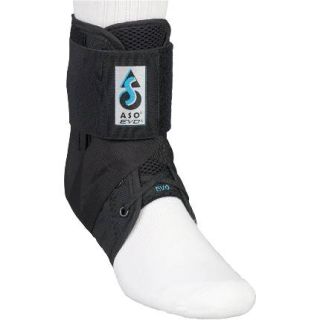
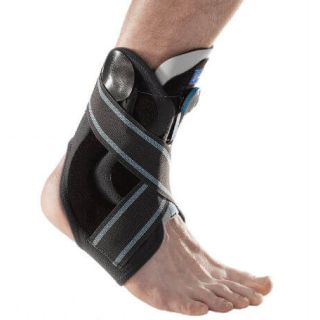
Semi-Rigid or Strap Supports (Moderate Support): These utilize figure-eight straps or flexible stays to provide structured, yet adjustable, stability. This is the most common and effective type of ankle brace for running for instability.
-
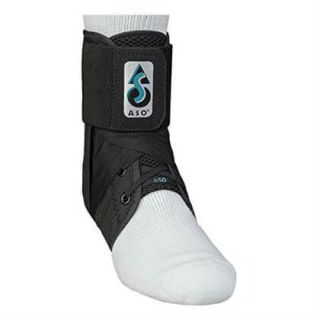
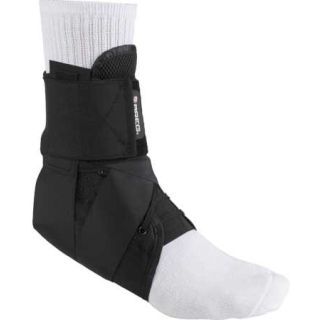
Lace-Up Braces (Maximum Support): Reserved for post-operative recovery or severe instability. They offer the highest degree of protection but may limit range of motion slightly.
-