Shin Splints Exercises and Stretches


Shin Splints Exercises and Stretches: Your Guide to Pain Relief
If you’ve ever felt a stubborn ache creeping along the front of your lower legs—especially after a run, a dance session, or even a long day on your feet—you’re likely no stranger to shin splints. Known in medical circles as medial tibial stress syndrome, this condition is as common as it is frustrating, striking everyone from weekend warriors to seasoned athletes. But here’s the silver lining: you don’t have to just tough it out. With the right shin splints exercises and stretches, a little patience, and some know-how, you can ease the pain and get back to moving with confidence. Let’s break down what shin splints are, why they happen, and how a handful of simple moves can become your new best friends.
Shin Splints: Understanding the Problem
Shin splints occur when the muscles, tendons, and even the bone tissue surrounding your shinbone (the tibia) get fed up with too much stress. Picture this: every time your foot hits the ground, tiny forces ripple through your lower legs. Normally, your body handles this like a champ. But when you push too hard—say, by doubling your mileage overnight, stomping on concrete without decent shoes, or ignoring tight muscles—the system starts to break down. The result is inflammation and that telltale dull, throbbing pain along the inner edge of your shin.
The culprits? Often, it’s a mix of overzealous training and biomechanics gone awry. Flat feet can throw off your stride, forcing your shins to compensate. Tight calves or weak tibialis anterior muscles (the ones running down the front of your shin) can make matters worse. Even footwear that’s seen better days can tip the scales. Left unchecked, shin splints can turn every step into a negotiation with discomfort.
Thankfully, shin splints exercises and stretches offer a lifeline. They loosen up those overworked muscles, improve flexibility, and reduce the strain on your shins. Pair them with rest, ice, and maybe a new pair of sneakers, and you’re on the road to recovery. Below, I’ve outlined six moves that target the key players in shin splint drama. They’re easy, equipment-free (mostly), and designed to fit into your day. Just go slow, breathe deep, and stop if anything feels off—persistent pain might mean it’s time for a doctor’s input.
Stretches for Shin Splints:
- Wall-Assisted Calf Stretch
Since tight calves are often the puppet masters behind shin splint pain, stretching them is non-negotiable.
How to do it: Face a wall, standing about an arm’s length away. Press your hands against it at shoulder height. Step one foot back, keeping that leg straight and your heel glued to the floor. Bend your front knee slightly, leaning into the wall until you feel a satisfying stretch in the calf of your back leg.
Hold: 30 seconds per side.
Repeat: 3 times per leg.
Pro tip: Keep your back straight—don’t hunch—and imagine lengthening your calf from heel to knee. - Toe-to-Wall Shin Stretch
This one zeroes in on the front of your shin, giving those overlooked muscles some love.
How to do it: Stand near a wall. Lift one foot and rest the tops of your toes against the wall, heel still on the ground. Lean forward gently, letting your knee move toward the wall until you feel a stretch along your shin.
Hold: 20-30 seconds per leg.
Repeat: 3 times.
Why it works: It counteracts the constant flexing your shins endure, restoring balance. - Seated Shin Flexor Stretch Perfect for a Netflix break, this stretch is low-effort but high-reward.
How to do it: Sit on the floor, legs extended. Point your toes away from you as far as they’ll go, then pull them back toward your body, flexing your feet hard. For extra oomph, drape a towel or resistance band over your toes and tug gently.
Hold: 30 seconds.
Repeat: 3 rounds.
Bonus: Flexing and pointing builds strength while stretching—double duty! - Kneeling Shin Release This stretch feels like a gentle reset for your lower legs and ankles.
How to do it: Kneel on a cushioned surface (a yoga mat or carpet works). Point your toes backward so the tops of your feet press into the ground. Slowly sit back onto your heels, keeping your spine tall. If you’re flexible, lean back slightly to deepen the stretch.
Hold: 30-40 seconds.
Repeat: 2-3 times.
Heads-up: If your knees protest, skip this one or prop a pillow under your hips. - Heel Drop Calf Stretch This dynamic move tackles your calves and Achilles, indirectly easing shin strain.
How to do it: Stand on a step or sturdy edge, heels hanging off the back. Hold a railing for balance. Lower one heel slowly until you feel a stretch in your calf, then lift back up. Alternate legs.
Hold: 20 seconds per drop.
Repeat: 3 times per side.
Variation: Drop both heels at once for a quicker session. - Standing Ankle Roll Stretch
Shin splints often tie into stiff ankles, so this stretch keeps everything limber.
How to do it: Stand on one leg (hold a chair if wobbly). Lift the other foot and roll your ankle in slow circles—five times clockwise, five counterclockwise. Switch sides.
Hold: Each roll takes about 2 seconds—aim for 20-30 seconds total per leg.
Repeat: 2 rounds.
Why it’s great: It boosts mobility, which helps your shins absorb impact better.
Tips for Maximum Relief
- Warm up first: Cold muscles don’t stretch—they snap. Walk or jog lightly before diving in.
- Consistency is key: Do these daily, even on pain-free days, to build resilience.
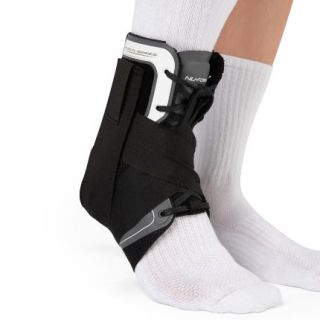
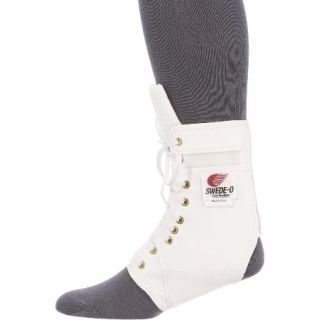
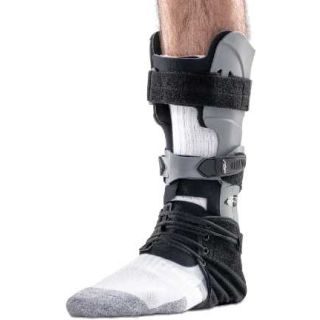
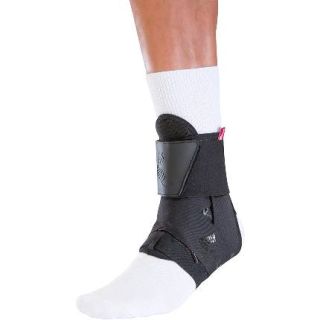
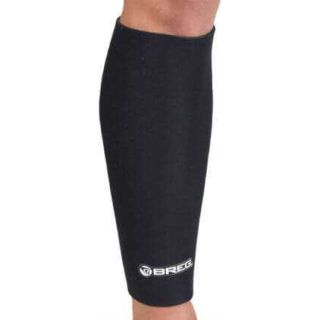
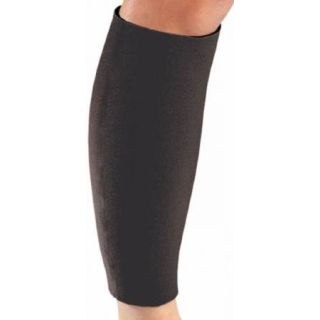
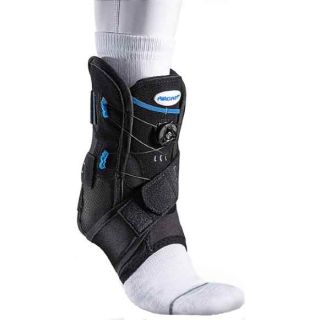
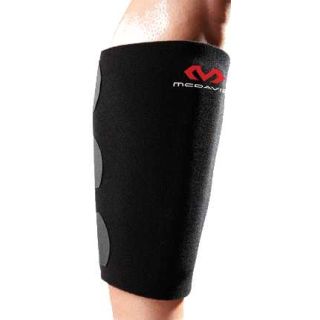
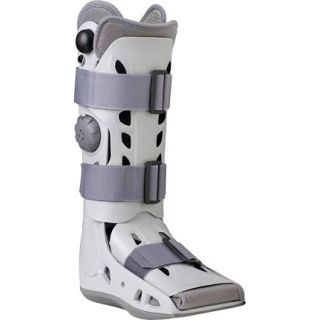
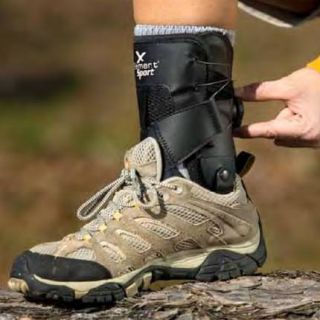
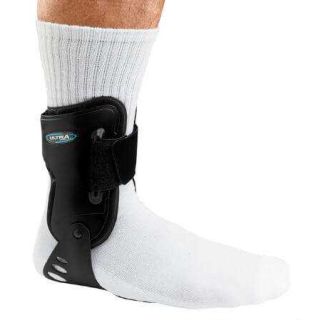
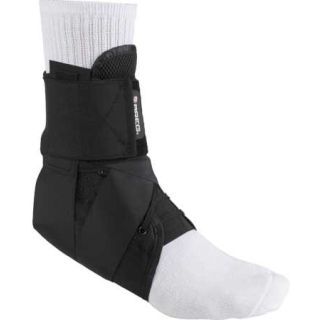
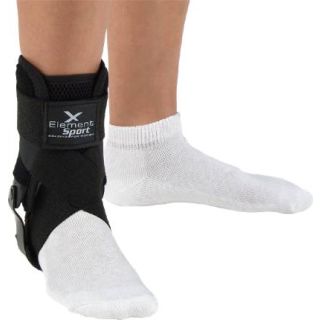
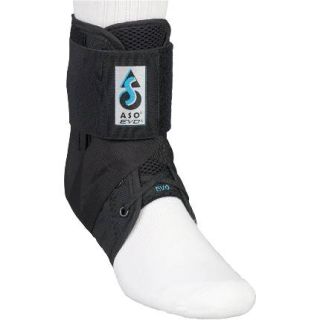
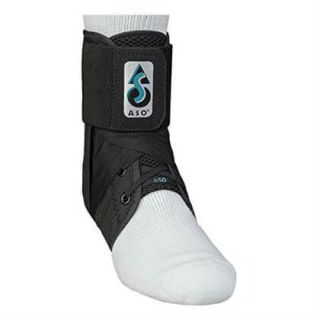
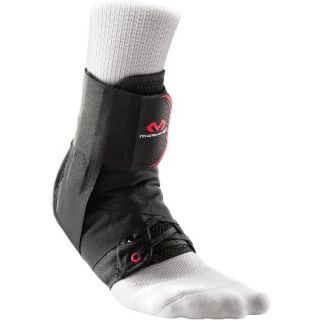
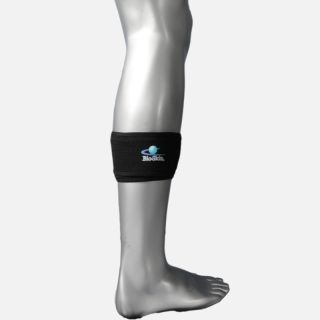
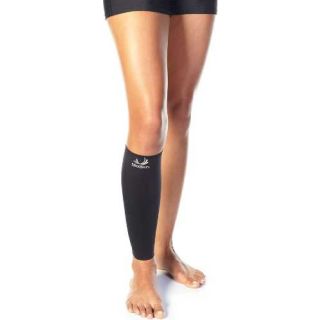
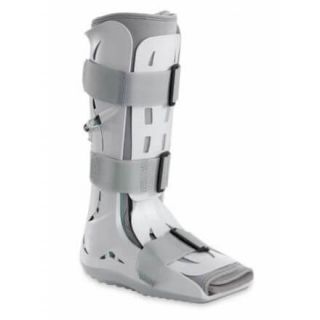
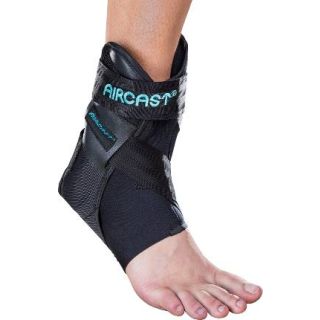
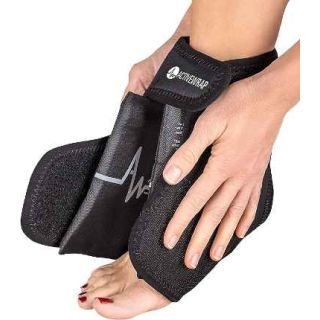
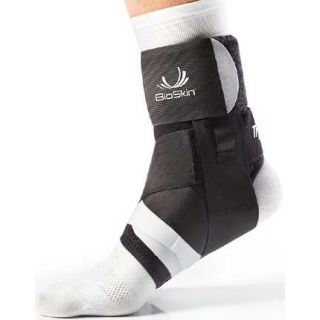
- Gear matters: Swap out worn shoes for ones with good arch support and cushioning. An ankle brace for shin splints may also help provide support and symptom relief.
- Ease in: If you’re new to exercise or coming off a break, don’t go from zero to hero—gradual is golden.
- Pain check: Mild discomfort is fine; sharp pain isn’t. Stop and reassess if it hurts.
When to Seek Help For Shin Splints
Shin splints usually fade with TLC, but they’re not always solo acts. If the pain lingers past a few weeks, feels like a pinpoint stab, or comes with swelling or redness, see a professional. You might be dealing with a stress fracture or something trickier masquerading as shin splints.
A Broader Recovery Plan
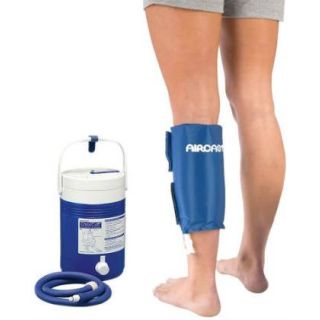
Stretching is your MVP, but it’s not the whole team. Ice your shins for 15 minutes after activity to calm inflammation. Elevate your legs when you can. And if you’re a runner, mix in low-impact days—think swimming or cycling—to give your shins a breather. Over time, strengthening those leg muscles with exercises like toe raises can bulletproof you against flare-ups.
Take Control of Your Recovery
Shin splints might slow you down, but they don’t have to stop you. With these shin splints exercises and stretches in your toolkit, you’re armed to soothe the ache and reclaim your stride. Start small, stay steady, and treat your legs to the care they’ve earned. Before you know it, you’ll be back to crushing it—pain-free.